IOAA 2013, Отборен тур, хоризонтални въпроси — Задача 13. M
IOAA 2013 — Team Competition: Horizontal questions · 17 т.
Условие
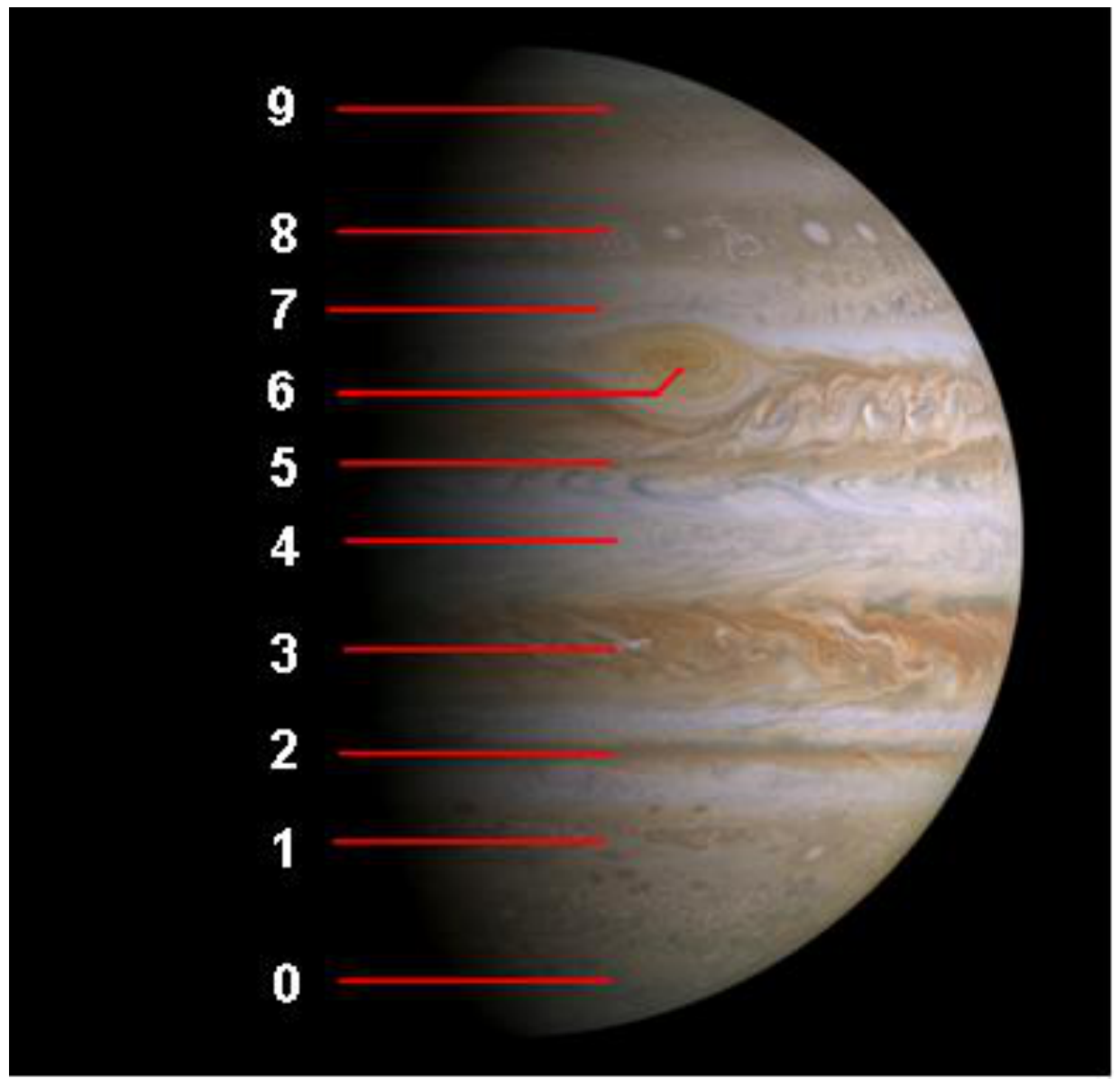
i. Great Red Spot, North Polar Region, South Equatorial Belt, Equatorial Zone [4 т.]
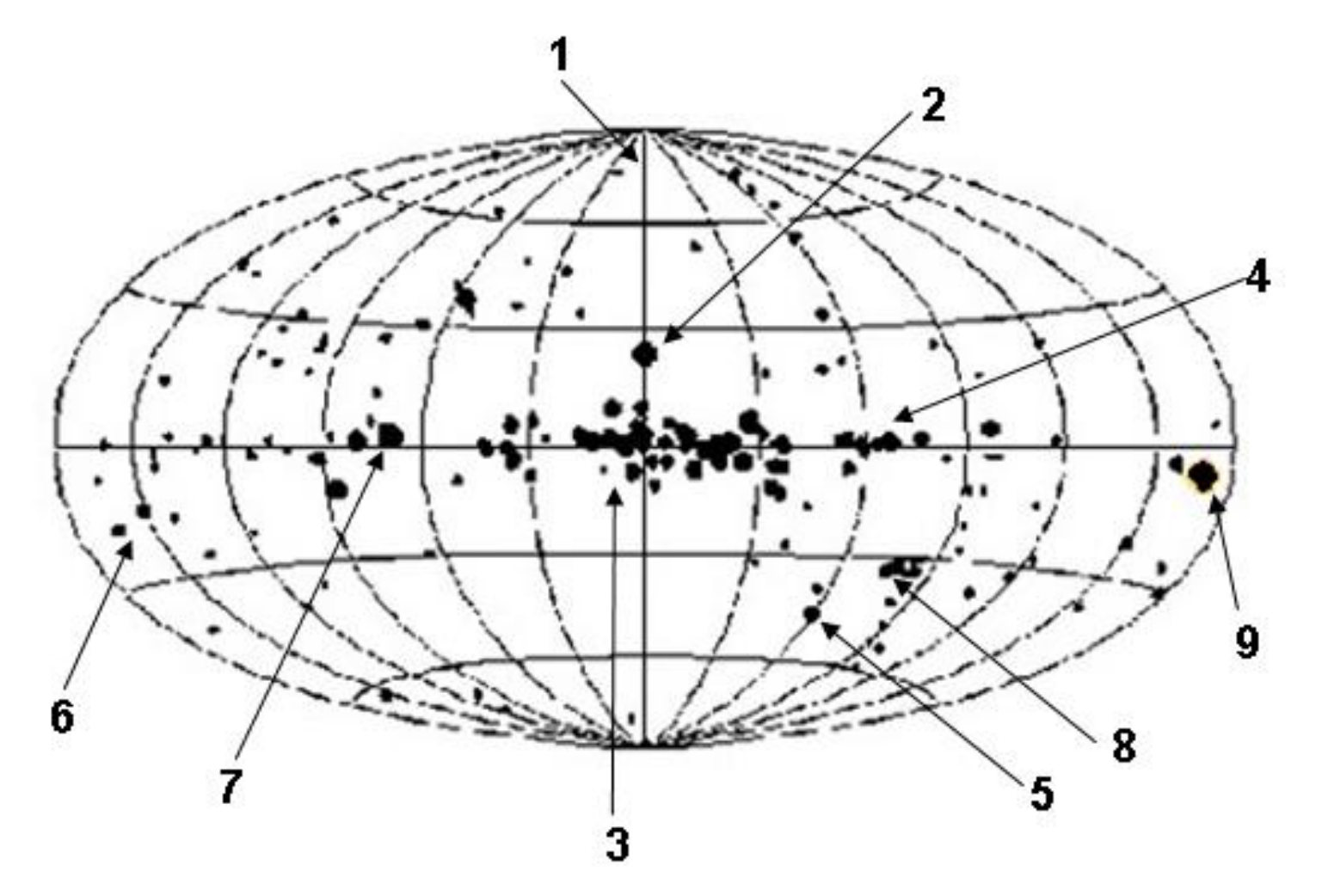
ii. This is a map of the sky in X-rays using galactic coordinates.
- Large Magellanic Cloud
- Scorpio X-1
- Cancer Nebula
- Cygnus X-1
- Coma [5 т.]
iii. The table shows the composition of the atmosphere of Mars, Earth, Jupiter, Neptune and Venus. Find Jupiter, Venus, Neptune.
| 1 | 2 | 3 | 4 | 5 | |
|---|---|---|---|---|---|
| 0.000055% | 80.0 | - | - | 86.4 | |
| He | 0.000524% | 19.0 | 12 ppm | - | 13.6 |
| 0.000179% | 2 | - | 10.5 ppb | 0.0018 | |
| trace | ppb | - | - | 0.0006 | |
| locally 0.001%–5% | - | 20 ppm | 210 ppm | 520 ppm | |
| - | ppm | - | - | 70 ppm | |
| 0.0397% | 0.3 ppb | 96.5% | 95.32% | 30 ppb | |
| HCN | - | 60 ppb | - | - | 60 ppb |
| 78.084% | - | 3.5% | 2.7% | - | |
| 20.946% | - | - | 1300 ppm | - | |
| Ar | 0.9340% | - | 70 ppm | 1.6% | - |
| - | - | 150 ppm | - | - |
[3 т.]
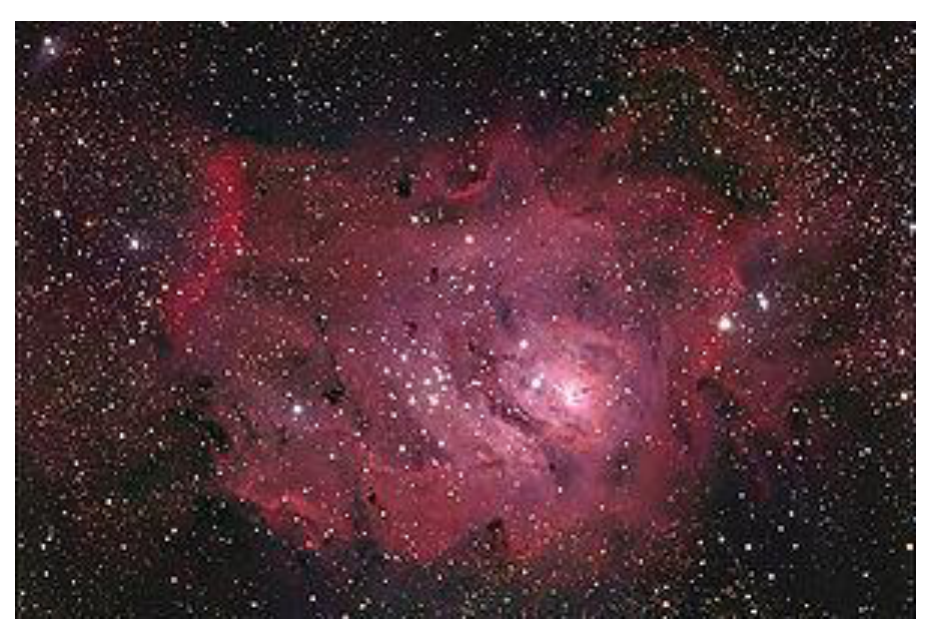
iv. Lagoon nebula is M _. [1 т.]
v. Sequence in which following discoveries received Nobel prizes.
- Cepheid Period-Luminosity relation
- Discovery of pulsars
- Accelerated Expansion of the Universe
- Discovery of cosmic rays
- Chandrasekhar Mass Limit [4 т.]
Отговори
i. 6054
Answer code as printed after the points (digits only, without decimal point or units).
ii. 82971
Answer code as printed after the points (digits only, without decimal point or units).
iii. 532
Answer code as printed after the points (digits only, without decimal point or units).
iv. 8
Answer code as printed after the points (digits only, without decimal point or units).
v. 4253
Answer code as printed after the points (digits only, without decimal point or units).
Решение
Внимание: Непълно решение
No worked solutions in the archive; only the answer codes printed after each question are available.
i. [4] - 6054
ii. [5] - 82971
iii. [3] - 532
iv. [1] - 8
v. [4] - 4253
Оригинал в Архива: Horizontal_questions.pdf