IOAA 2013, Отборен тур, вертикални въпроси — Задача 10. J.
13 т.
Условие
i. The CMBR has a thermal black body spectrum at a temperature of __Kelvin. (two decimals) [3 т.]
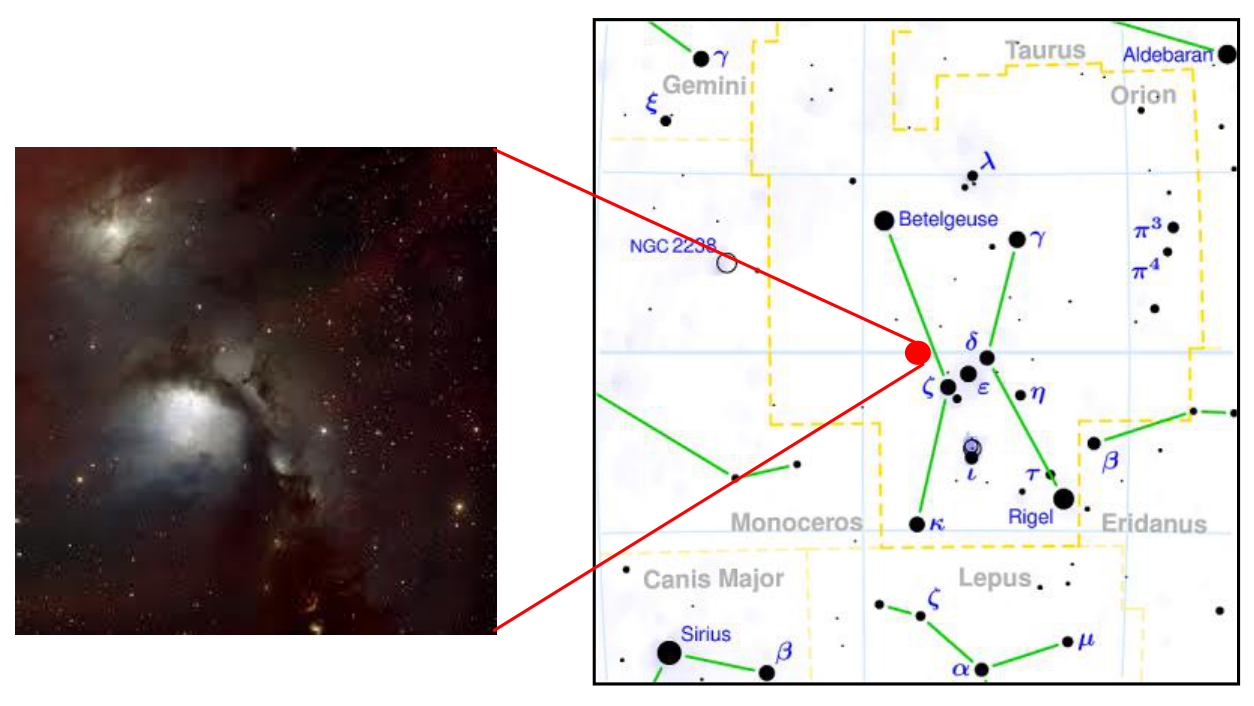
ii. This nebula is M__. [2 т.]
iii. Radiation with an energy of 2.5eV.
- gamma-ray
- X-ray
- Ultraviolet
- Visible
- Infrared
- Far Infrared
- Microwave
- Radio
- Super Low Frequency [1 т.]
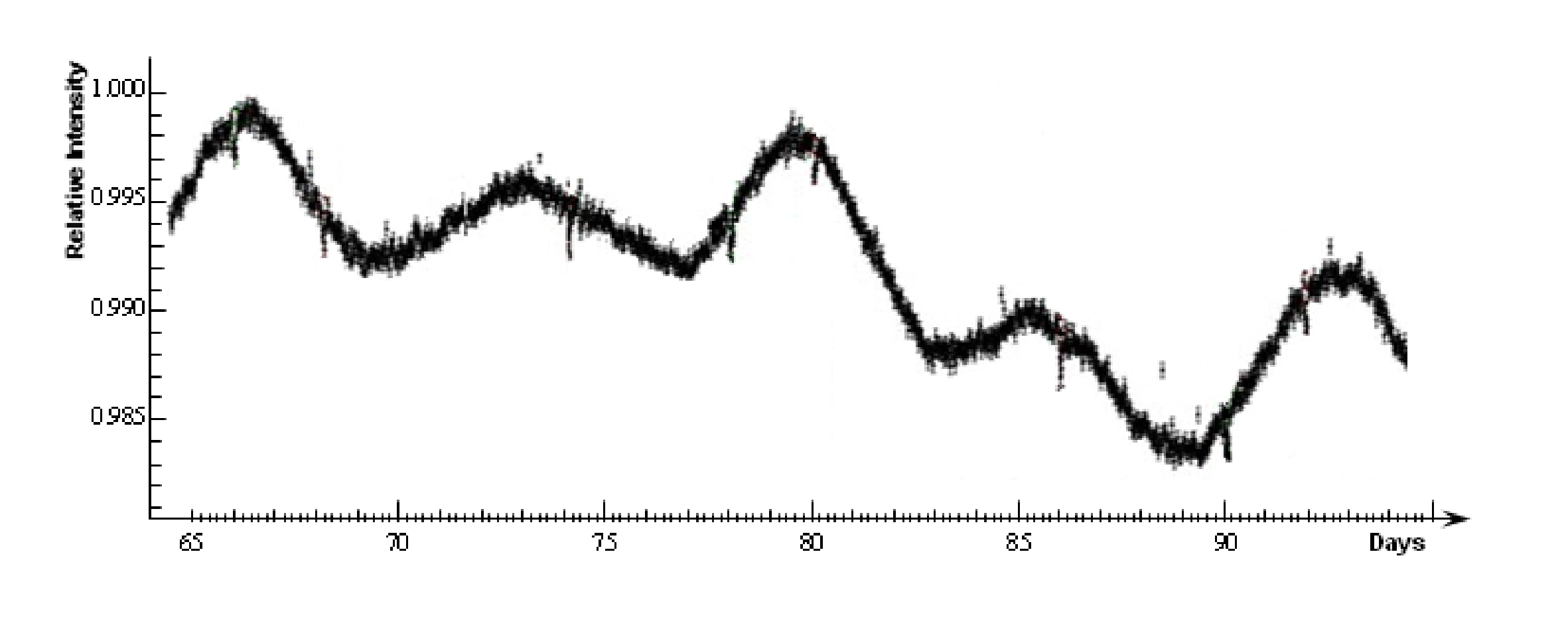
iv. Two exoplanets with a radius five times the radius of Earth rotate around a star (radius equal to this of the Sun). Find the shortest orbital period (days). (two decimals) [3 т.]
v. The first to calculate the AU by measuring the parallax of a planet:
- Cassini
- Aristachus
- Hipparchus
- Horrocks
- Halley
- Bayly
- Euler
- Lomonosov
- Newcomb [1 т.]
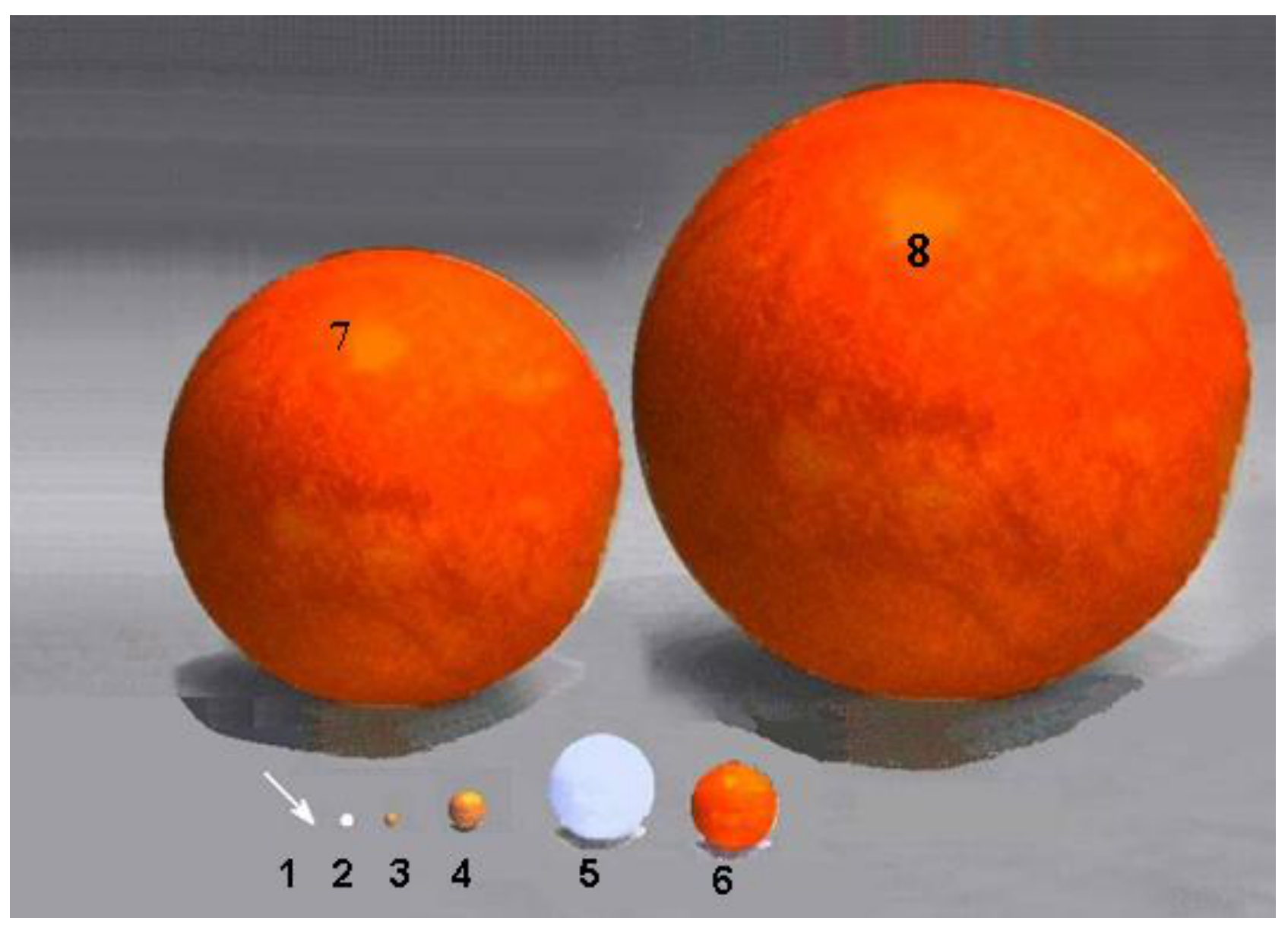
vi. The diameters of the stars (Sirius, Betlegeuse, Aldebaran, Antares, Rigel, Pollux, Arcturus, Sun) are to scale.
Betlegeuse, Antares, Rigel [3 т.]
Отговори
i. 273
Printed after the question as the grid entry (“- 273”) of the crossword answer sheet.
ii. 78
Printed after the question as the grid entry (“- 78”) of the crossword answer sheet.
iii. 4
Printed after the question as the grid entry (“- 4”) of the crossword answer sheet.
iv. 595
Printed after the question as the grid entry (“- 595”) of the crossword answer sheet.
v. 1
Printed after the question as the grid entry (“- 1”) of the crossword answer sheet.
vi. 875
Printed after the question as the grid entry (“- 875”) of the crossword answer sheet.
Решение
Внимание: Непълно решение
The paper prints only the answer code after each question (the crossword grid entry); no worked solution is given.
i. - 273
ii. - 78
iii. - 4
iv. - 595
v. - 1
vi. - 875
Оригинал в Архива: Vertical_questions.pdf