IOM 2018, Теория — Задача 2. Raspberry chemistry
3rd Olympiad of Metropolises — Chemistry, Theoretical Problems, Official English version · 5 септември 2018 г.
Original cover
Country ______
Participant code ______
3rd Olympiad of Metropolises
Chemistry
Theoretical Problems
September 5, 2018
Moscow, Russia
Chemistry. Theoretical problems. Official English version
Указания
- Begin only when the START command is given. You have 4 hours to work on the problems.
- Use only the pen and calculator provided.
- All results must be written in the appropriate boxes within the text. Anything written elsewhere will not be graded. Use the reverse of the problem pages if you need scratch paper.
- Write relevant calculations in the appropriate boxes when necessary. If you provide only correct end results for complicated questions, you will receive no score.
- Raise your hand if you have any questions concerning the text of the problems.
- Raise your hand if you need a restroom break.
- The official English version of this examination is available on request only for clarification.
Recommendations
- Read the text carefully. Try to understand properly: a) what is given to you, b) what is required from you.
- All the problems contain questions of various complexity including very simple ones. Try to answer as many questions as you can. Try to leave as few empty spaces in the answer sheets as you can.
- In the calculations, use the atomic masses from the Periodic table given to you.
Good luck!
Original key cover
3rd Olympiad of Metropolises
Chemistry
Theoretical Problems
Answers, solutions, and grading scheme
September5,2018
Moscow,Russia
Chemistry. Theoretical problems. Official English version
Условие
Problem 2. Raspberry chemistry (12 marks)
| Question | 1 | 2 | 3 | 4 | Total |
|---|---|---|---|---|---|
| Points | 8 | 18 | 3 | 1 | 30 |
| Result |
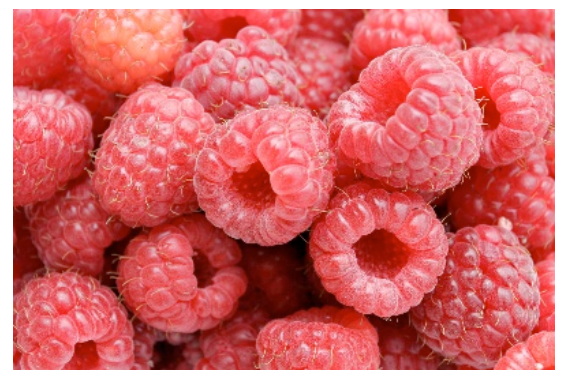
“Put cream and sugar on a fly and it tastes very much like a raspberry”
(English proverb)
Raspberry (Rubus idaeus) is widespread in the central part of Russia, including the Moscow region, a deciduous half-shrub with sweet and healthy fruits used for treatment of colds and flu as antipyretic and diaphoretic remedies in fresh or frozen form, as well as in jam, marmalade, jelly, etc. Raspberry fruits contain up to 11% of sugars as well as organic acids, alcohols, ketones, vitamins A, B, C, anthocyanins (providing red color of “berries”) and catechins possessing antioxidant properties.
1 Write down the structural formulas (without stereochemical information) of the following compounds that were found in raspberry fruits: glucose (), malic (), tartaric (), citric (), salicylic () acids, isoamyl alcohol (), diacetyl (), acetoin ().
[8 т.]
It is noteworthy that all of the above substances are used in the food industry as preservatives, food coloring or flavoring agents (isoamyl alcohol in the form of esters). On the other hand, many perfumes, cosmetics, foods, drinks and beverages with the taste and smell of raspberries have nothing to do with the fruits of Rubus idaeus; their taste and smell are due to the presence of a number of products of the chemical industry. The most famous of them is a "raspberry ketone" (A). This compound, that is actually present in raspberry fruits (1-5 mg per kg), is used in the food, perfume and cosmetic industry to give the products with the required taste and aroma. Natural raspberry ketone is very expensive (about 20,000 US per kg.
The color of food and cosmetic "raspberry" products is usually provided using Allura Red AC (E129) which is synthesized from 4-chlorotoluene. From the latter, compound B can also be obtained. At the same time, in the stage of its formation from H, it is important to use the catalytic version of the reaction, since in the absence of a catalyst the reaction of H with strong alkali under harsh conditions proceeds in a different direction affording products I and J, the oxygen content in I being larger than in H, and the oxygen content in J slightly lower than in H.
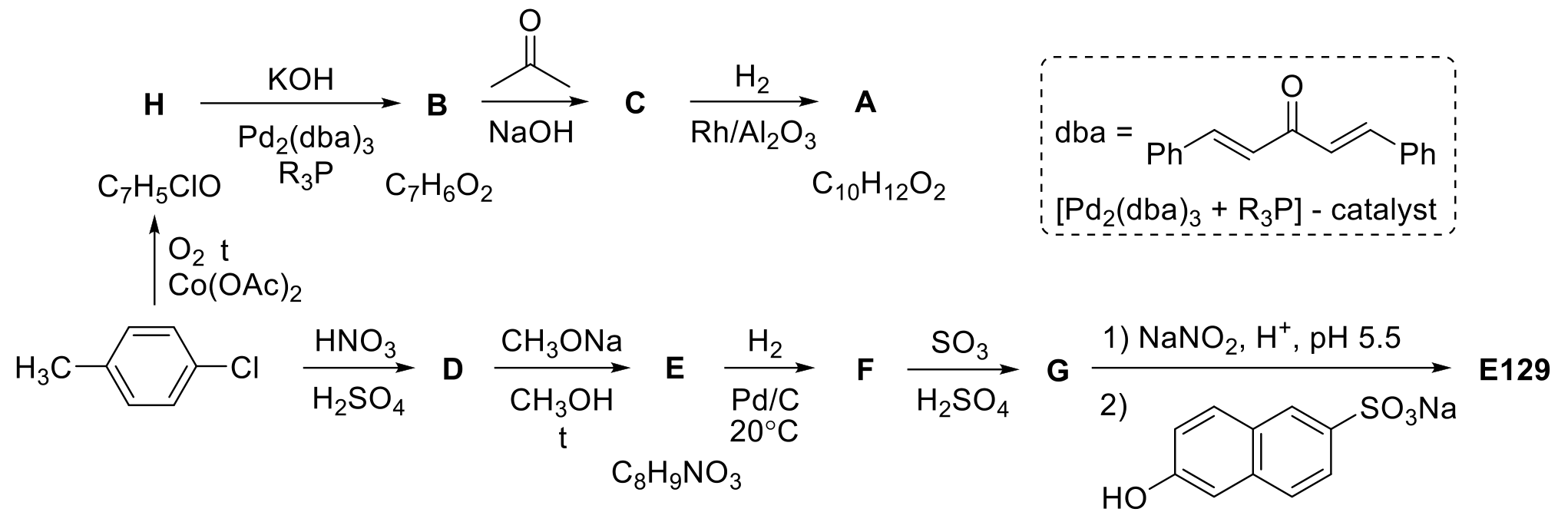
2 Decipher the scheme and write down the structural formulas of compounds A–H and E129.
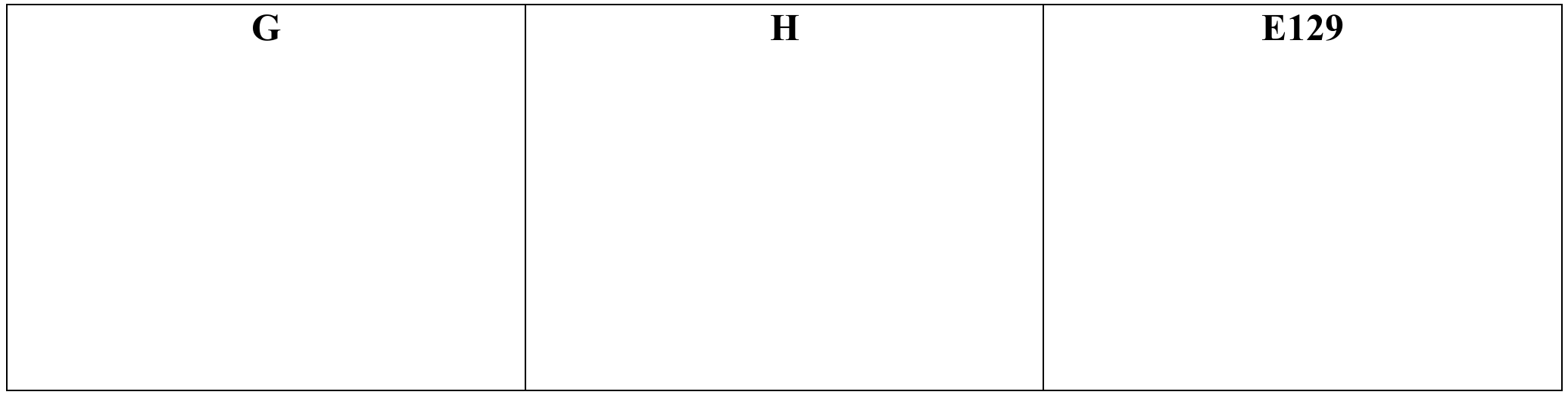
[18 т.]
3 Write down the structural formulas of the compounds that are formed from H during the competitive reaction which is a named reaction. Write down the name of the chemist who discovered this reaction.

[3 т.]
4 Compound D is the major product of 4-chlorotoluene nitration. Point out, which effect (inductive or mesomeric) of the substituent in the aromatic ring determines the process regioselectivity.
| Effect | |
|---|---|
| Inductive | |
| Mesomeric |
[1 т.]
Решение
Official answers and grading scheme
1
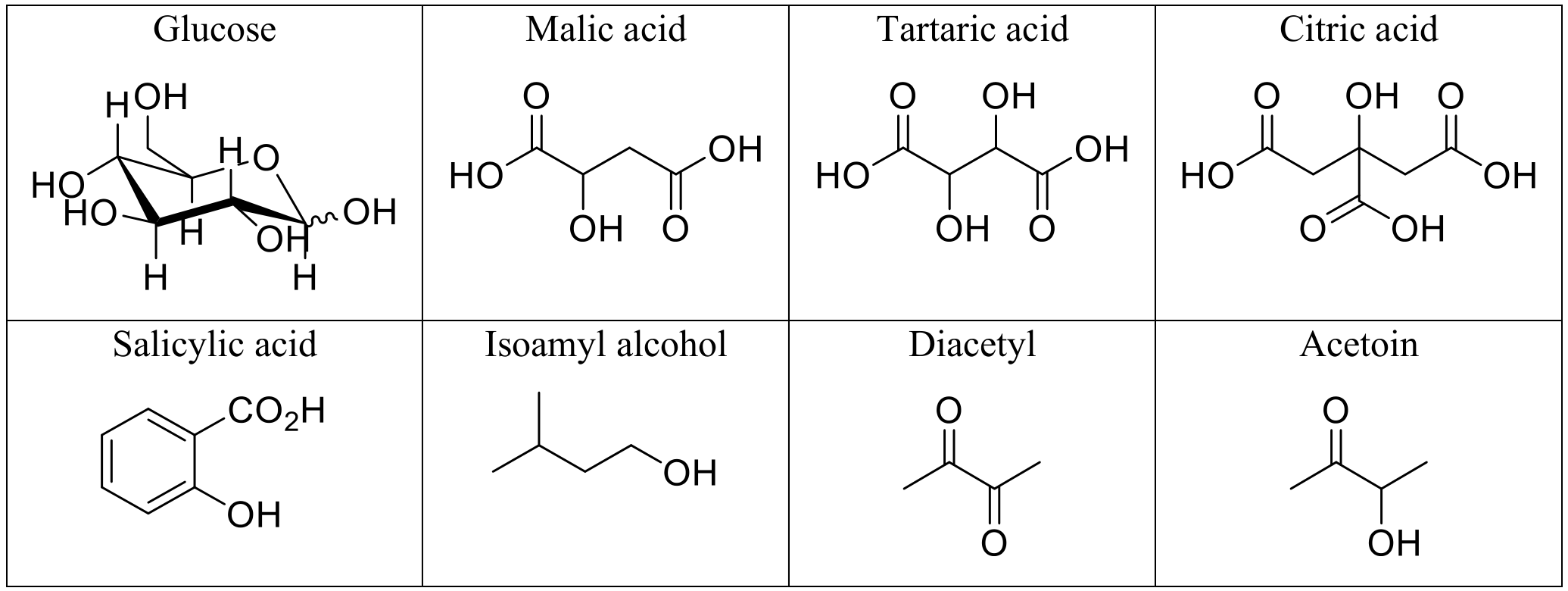
1 pt for each correct structure. [8 т.]
2
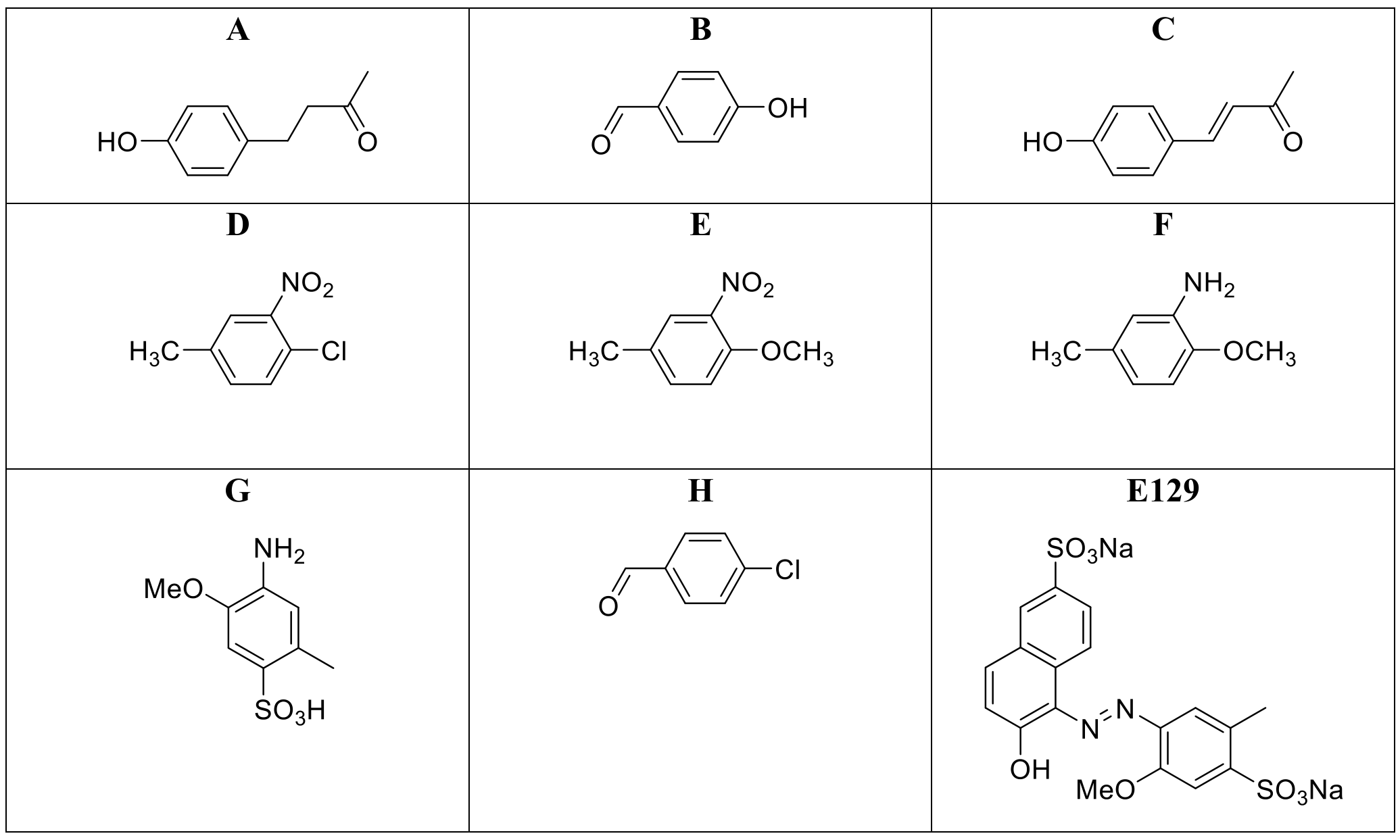
2 pts for each correct structure. [18 т.]
3

1 pt for each correct structure, 1 pt for the name. [3 т.]
4
| Inductive | |
|---|---|
| Mesomeric | √ |
1 pt. [1 т.]
Бележка от източника
Each native problem heading says 12 marks, while its printed score grid totals 65, 30, 18, 50 or 30. Problem1 request3 is 10 points in the grid but5 in the key; its printed permanganate equation and sodium-containing answer to request2 remain literal. Problem3 first Claus-stage equation prints2H2O. Problem4 requests Fischer projections A–C and Haworth D–G, while its key shows the opposite projection types; request2 awards2points for each of three structures despite its4-point grid. Problem5 methane price is0.75/kg in the repeated key request and calculations. These original inconsistencies are retained. Molecular drawings, reaction schemes, reference tables and answer grids reproduce the native originals. Empty calculation spaces retain their printed labels and blank response fields.
Оригинал в Архива: Problems.pdf · официални решения: Solutions.pdf